As part of The Linen Project, Joan den Exter and Anna Jos Wetzel conducted a study exploring the potential for establishing a small-scale flax spinning mill in the Netherlands, as well as opportunities for collaboration between existing flax spinning mills across Europe.
The study report is available for free download here after registration.
(only available in Dutch)
In the coming years, transforming the textile industry will no longer be a choice, but a necessity. In today’s linear textile value chain, there is little connection between natural resources, cultivation, processing and the end user. Since 2018, The Linen Project has been exploring how a local linen production chain can take shape in the 21st century, both industrially and through craftsmanship.
Based on the understanding that everything is interconnected, The Linen Project explores how the linen supply chain could serve as a model for a new economic system. One that is no longer driven primarily by financial growth, but by values such as collaboration, equality, care, proximity, sustainability, reciprocity and appreciation for all those involved. Rather than focusing on transactions, the emphasis is placed on relationships. Over the past few years, The Linen Project has explored every stage of linen production, both by hand and through industrial processes.
Approximately 80% of the world’s flax production takes place in Europe, particularly in France, Belgium and the Netherlands. Yet while some of the processing of flax takes place in the Netherlands, more than 85% of the world’s flax fibre spinning capacity – the conversion of fibres into yarn – is concentrated in China and India. The resulting yarns, textiles and linen products are then transported back to Europe. As production has moved elsewhere, we have exported not only our raw materials, but also vital knowledge, infrastructure and opportunities for sustainable development.
The current system also involves multiple international transport movements, contributing to CO₂ emissions. Europe’s dependence on Asian markets, particularly China, makes the European flax sector vulnerable, while transparency regarding working conditions and production processes in these countries remains limited. Greater autonomy in the textile industry requires investment in local raw materials and production capacity within the EU, allowing knowledge, skills and sustainable practices to be preserved and passed on to future generations.
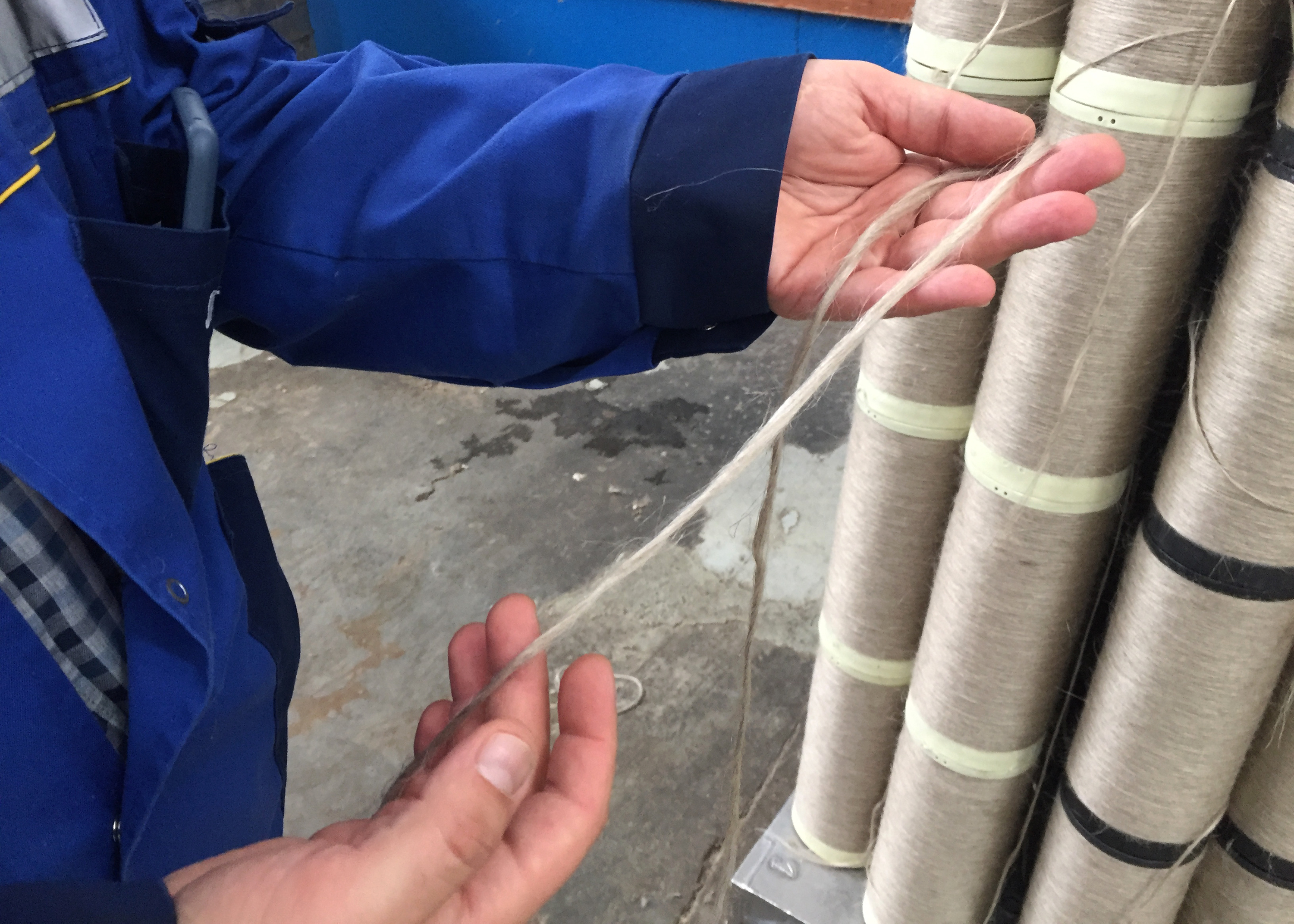
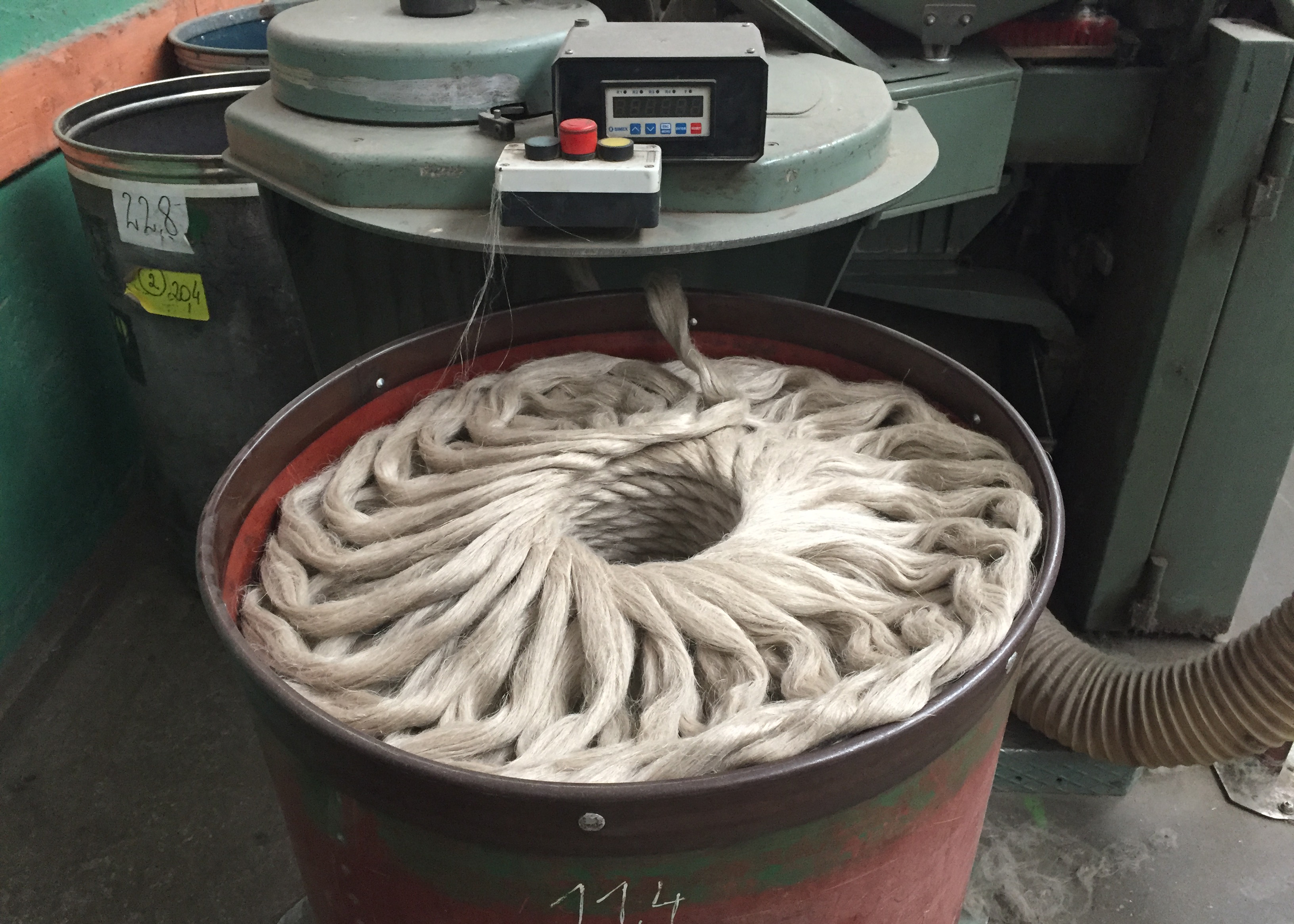
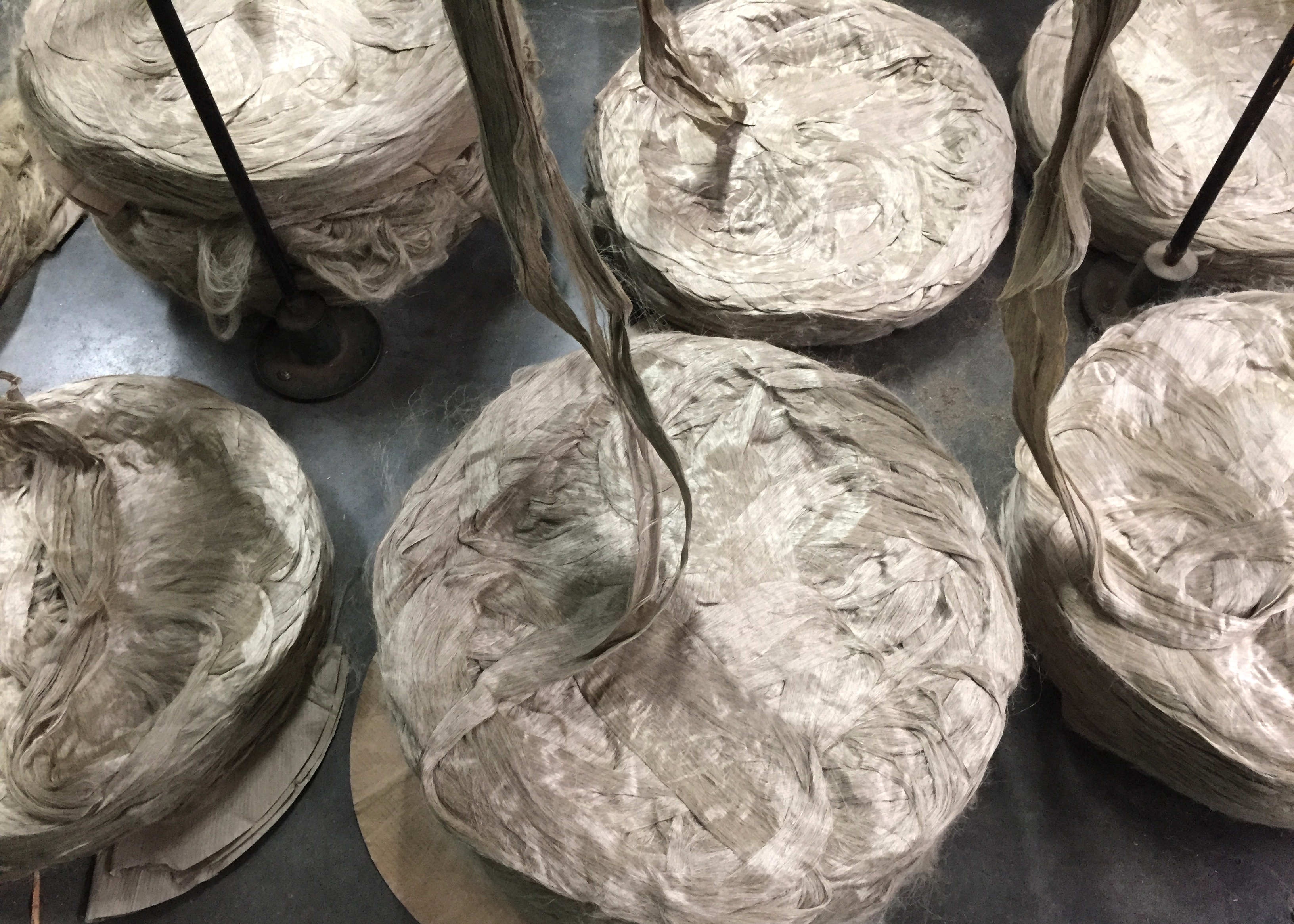
Like many other sustainable textile initiatives across Europe, The Linen Project aims to organise the production chain as locally as possible and make it economically viable. Its primary focus is on linen for clothing, which requires the finest possible yarn. This yarn is produced from long flax fibres and requires a specific spinning process to achieve the desired quality: wet spinning. The limited availability of wet-spinning facilities is currently one of the main bottlenecks in developing a local linen production chain in the Netherlands.
While previous international research has explored various aspects of dry spinning, the present study focuses specifically on the possibilities of wet spinning. It investigates the feasibility of establishing a small-scale wet-spinning mill in the Netherlands, as well as an alternative approach: developing a collaborative network of existing wet-spinning mills across Europe.
Through this research, The Linen Project aims to contribute to a textile production chain that is more accessible, transparent and sustainable, bringing production closer to its source. Ultimately, the ambition is not simply to restore local linen production, but to explore how a more connected, resilient and responsible textile economy can take shape.